


Immersive worlds: VR and AR take center stage
The way humans interact with digital content is undergoing a radical transformation. Virtual reality (VR) and augmented reality (AR) are no longer just buzzwords in tech conferences — they are reshaping industries from gaming to healthcare, education, and remote collaboration.
VR plunges users into fully digital worlds, while AR overlays digital elements onto the real environment. Both technologies promise immersive experiences, but the differences in approach and application are profound.
Virtual reality: escaping into fully digital universes
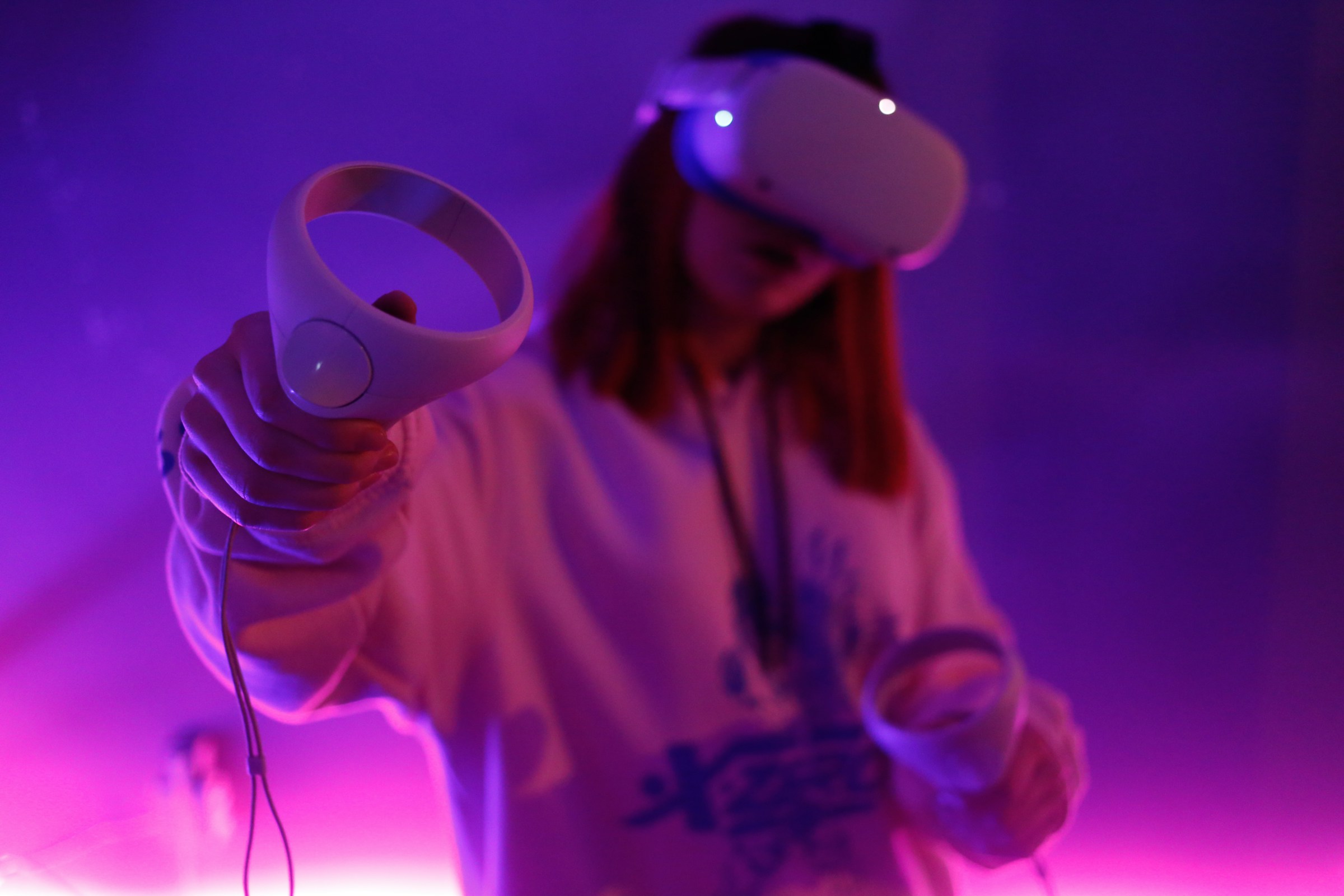
VR creates a completely synthetic environment, often requiring a headset, motion controllers, and sometimes full-body tracking. The experience is designed to engage sight, sound, and even touch, making users feel truly “inside” a digital space.
Applications of VR are wide-ranging:
- Gaming and entertainment: Immersive storytelling and interactive environments.
- Training and simulations: Flight simulators, medical procedures, and military training.
- Virtual meetings: 3D spaces for remote teams to interact more naturally than video calls.
The power of VR lies in its total immersion, allowing users to temporarily disconnect from the physical world to focus entirely on digital experiences.
Augmented reality: blending digital with the real world
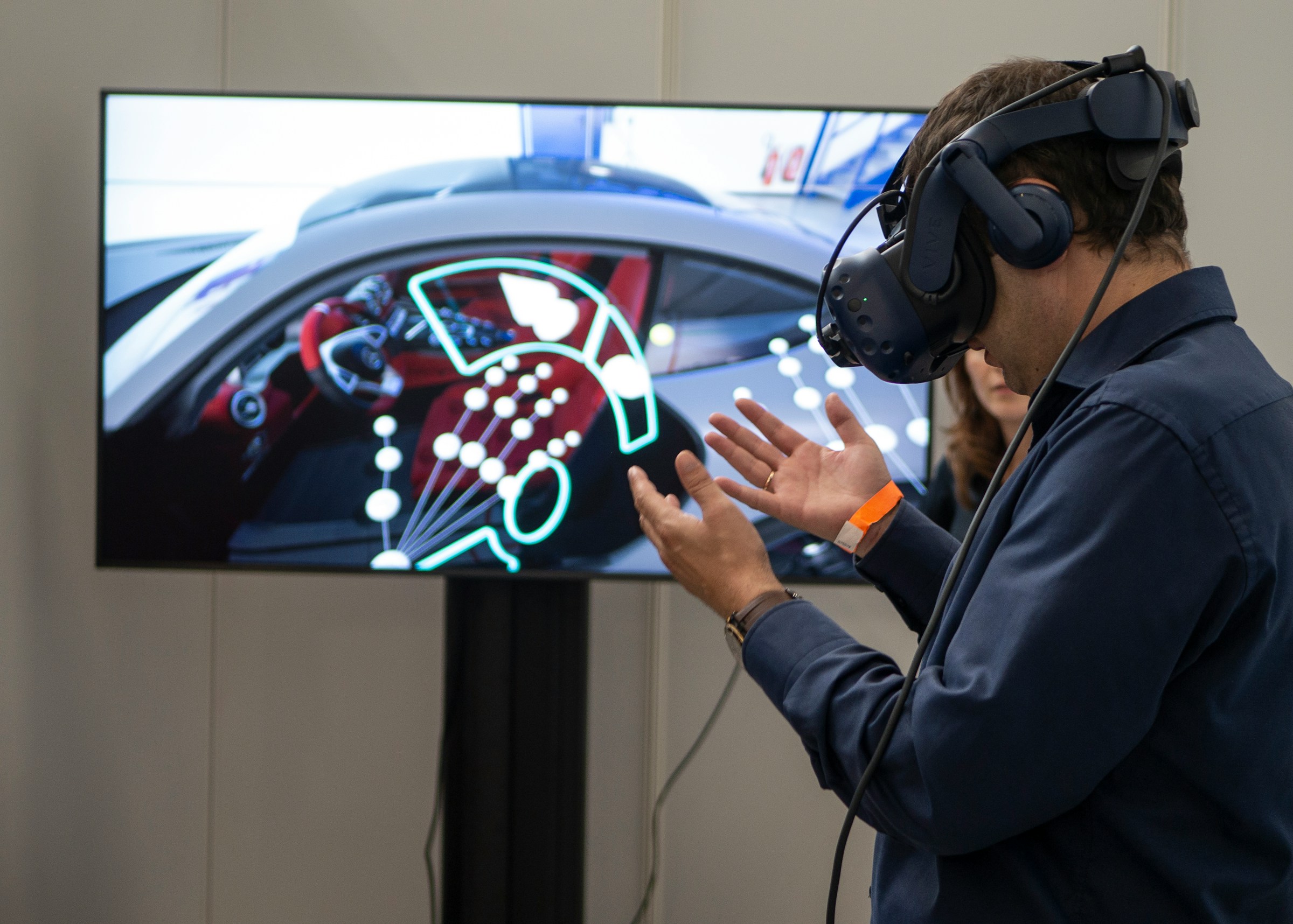
Unlike VR, AR doesn’t replace the real world — it enhances it. Using smartphones, tablets, or AR glasses, digital objects, animations, or information are layered onto the user’s physical environment.
Some standout AR use cases include:
- Retail and shopping: Trying furniture virtually in your living room or previewing clothes on a mobile app.
- Education: Interactive textbooks, anatomy overlays, and historical recreations.
- Industrial and field work: Overlaying schematics or step-by-step instructions onto machinery.
AR’s main advantage is that it augments reality without isolating users, making it more practical for daily life and professional applications.
Where the technologies intersect
There is growing convergence between VR and AR, often called mixed reality (MR). MR blends the full immersion of VR with the contextual overlay of AR, creating experiences where digital and physical worlds coexist dynamically.
Tech giants are exploring MR for applications such as:
- Remote collaboration with 3D avatars interacting in real spaces.
- Advanced design visualization for architecture or engineering.
- Hybrid entertainment where real-world objects interact with digital content.
Mixed reality is likely where the next big leap in immersive technology will emerge, combining the strengths of both VR and AR while mitigating their limitations.
The future of immersive experiences
The adoption of VR and AR is accelerating, fueled by better hardware, faster networks, and AI-driven software. Analysts predict:
- More affordable and lightweight headsets.
- Expanded workplace adoption for collaboration and training.
- Integration into social media, gaming, and entertainment ecosystems.
- AR glasses gradually becoming a daily-use tool, similar to smartphones today.
The line between digital and physical reality is blurring. Professionals, educators, and consumers will increasingly interact with hybrid spaces, where immersive experiences are seamlessly woven into daily life.
Beyond the headset: what comes next
The potential of VR and AR goes far beyond entertainment. Imagine architects walking through buildings that don’t exist yet, surgeons performing procedures with AR overlays, or classrooms where history literally unfolds around students.
As these technologies mature, the real challenge will be integration and accessibility. Making VR and AR intuitive, affordable, and compatible across platforms will determine how deeply they transform our everyday experiences.
The future of immersive tech isn’t just about wearing headsets — it’s about rethinking how we interact with information, each other, and the world itself.
Article Topics

About the Author
Marco André
"Full-stack developer and gadget analyst, passionate about simplifying technology for everyone."
View all articles

