


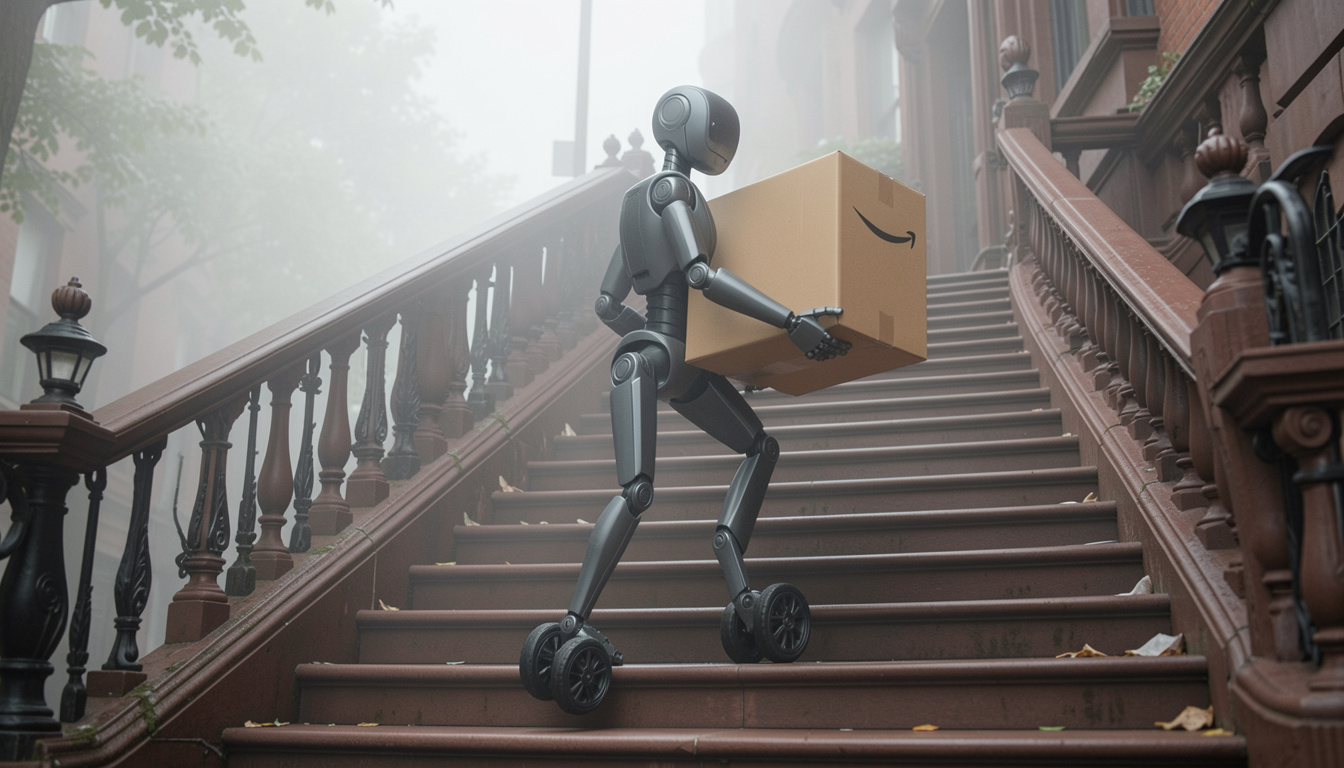
For years, the "Last Mile" has been the white whale of the logistics industry. Companies have spent billions optimizing long-haul trucking and regional sorting, only to see their efficiency die at the curb. The moment a package leaves a delivery van and encounters a flight of stairs or a complex apartment layout, the cost per unit spikes. By acquiring Rivr, a startup specializing in stair-climbing locomotion, Amazon is signaling that it is no longer content with reaching your curb. It wants to own the movement of goods from the warehouse all the way to your specific doormat, regardless of whether you live on the tenth floor of a walk-up.
The verticality of the new commerce landscape
The macro impact of this acquisition isn't found in the hardware specs of the robot itself, but in the shift from horizontal to vertical logistics. Up until now, autonomous delivery robots like those from Starship Technologies have been relegated to the "pavement tier" flat, predictable, and restricted by the limitations of basic wheels. This forced a "customer-meets-robot" model where the user has to walk outside to retrieve their items.
Amazon is betting that the ultimate luxury is total friction removal. By integrating Rivr’s technology, they are solving the "vertical bottleneck." This creates a massive data advantage: Amazon will soon possess the most detailed maps of private infrastructure in the world. As these robots navigate staircases, hallways, and elevators, they are digitizing the "dark matter" of urban architecture that Google Maps can’t see. We are moving toward a world where the physical layout of your apartment building becomes a part of Amazon’s proprietary logistics network.
The death of the "dumb" doorstep and the infrastructure squeeze
This shift creates a clear divide in the industry. The winners are undoubtedly the real estate developers who will move quickly to integrate "robot-friendly" features into new builds. We can expect to see "bot-docks" and standardized elevator APIs becoming as common as high-speed internet.
The losers, however, are the legacy delivery services UPS, FedEx, and national postal services who are still tethered to human labor and aging fleets. These organizations are facing an asymmetric war. While they are negotiating union contracts and fuel surcharges, Amazon is building a fleet of capital assets that don't need breaks, don't sue for back injuries sustained on stairs, and get more efficient with every software update.
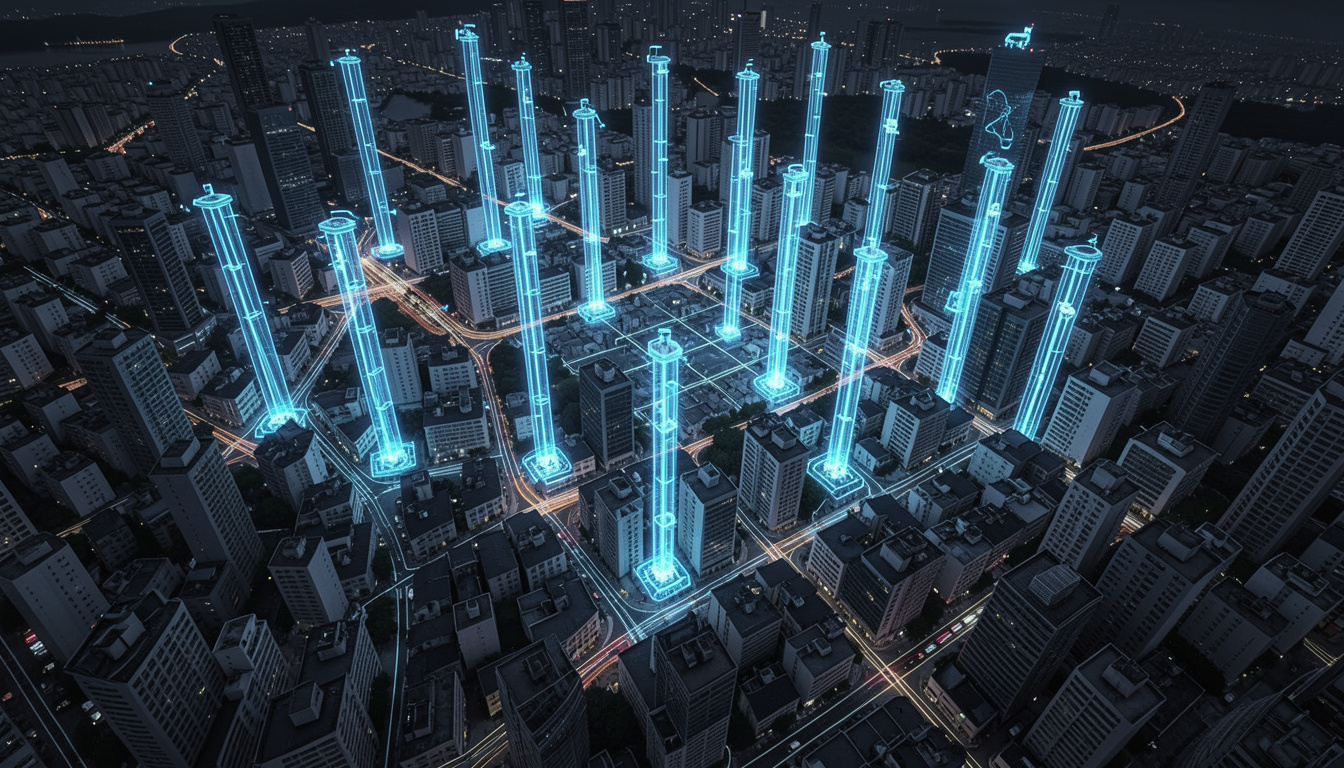
Beyond the corporate giants, this move puts immense pressure on the labor market. The "delivery driver" has been one of the few growth sectors for low-skill labor in the gig economy. Rivr’s technology targets the most physically demanding part of that job. If the robot can handle the stairs, the human driver becomes a mere "fleet tender," overseeing five or ten bots from the van. It’s a transition from labor-intensive to capital-intensive logistics, and it will likely hollow out the entry-level workforce faster than we’ve predicted.
The reality is that Amazon is no longer just a store; it is becoming the operating system for physical reality. When a company owns the means of production, the platform of sale, and now the specialized hardware required to navigate the private spaces of our lives, the competitive moat becomes an uncrossable ocean. The staircase was the last bastion of human-required labor in the delivery chain. With the Rivr acquisition, that door isn't just being knocked on—it's being opened by a machine.
Article Topics

About the Author
Elena Santos
"Specialist in digital trends and consumer behavior in the era of total connectivity."
View all articles

