


The boundary between the physical racetrack and the digital realm has never been thinner. For years, sim racing enthusiasts have chased the elusive "feeling" of a car on the limit—the way the tires scrub against the asphalt, the violent vibration of a downshift, and the sheer spatial awareness required to dive into a hairpin turn at 150 miles per hour. While traditional monitor-based setups have reached a pinnacle of graphical fidelity, the advent of VR racing has introduced a layer of immersion that screens simply cannot replicate.
RACECLUB, the latest entrant into the competitive simulation space, aims to do more than just provide a visual spectacle. It is a technical manifest of how far Tech innovation has come in the world of spatial computing and physics-based rendering. By focusing on the microscopic adjustments that separate a podium finish from a mid-pack exit, the title positions itself as a must-have for those who treat digital driving as a discipline rather than a hobby.
The technical foundation of virtual speed
At the heart of any successful simulator is its physics engine. RACECLUB leverages a proprietary system designed to calculate tire deformation and suspension geometry in real-time. Unlike arcade racers that rely on "canned" animations to simulate a car’s behavior, this simulator treats the vehicle as a complex assembly of mechanical parts.
When you enter a sweeping turn, the software calculates the weight transfer from the inner to the outer wheels. This isn't just a mathematical exercise; it is translated directly to the player through force feedback and visual cues. The roar of the engine isn't a static loop either; it’s a dynamic soundscape that changes based on the car's proximity to track walls, the open-air environment, and the stress on the transmission.
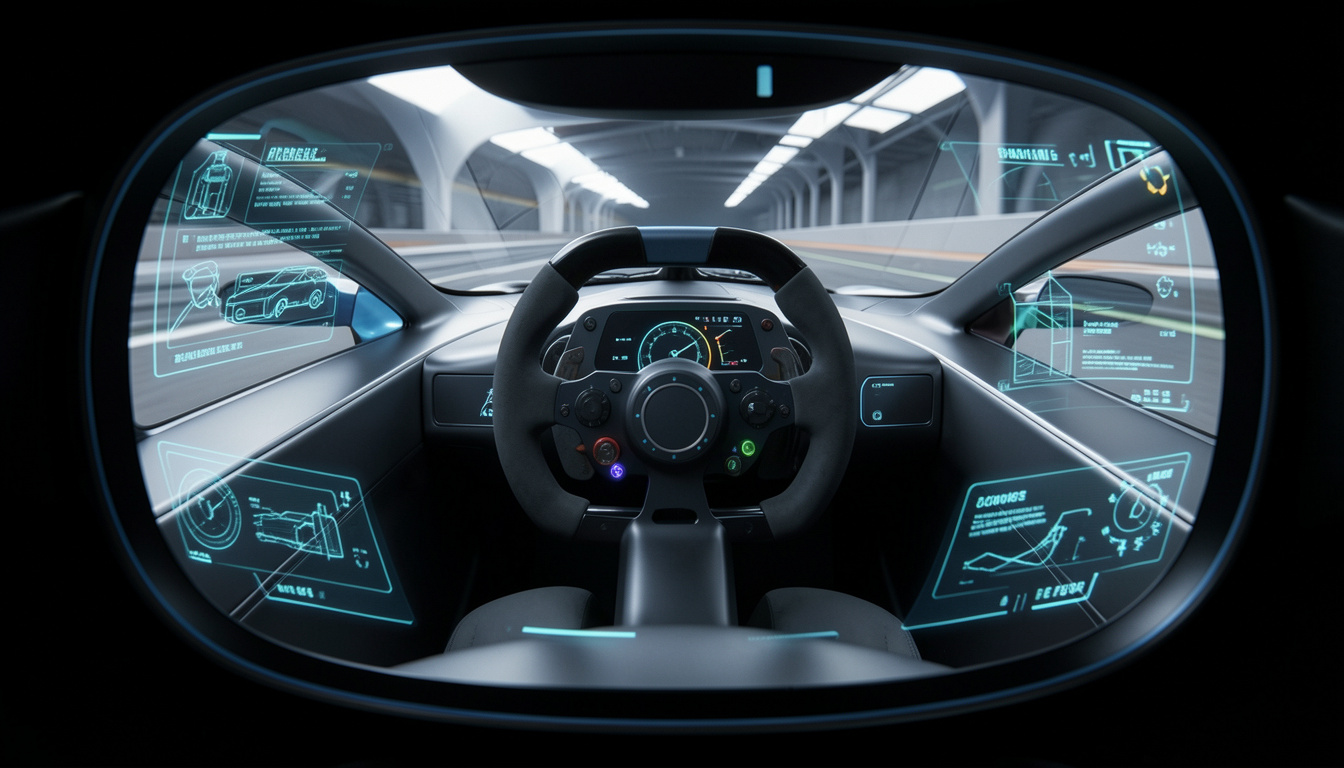
The integration of advanced AI tools in the development process has allowed the creators of RACECLUB to model track surfaces with millimeter-level accuracy. This means every bump, crack, and curbing on the circuit is represented, forcing the driver to adjust their line just as they would in a real-world GT3 or Open-wheel car.
Immersive environments and the pursuit of the podium
The jump to virtual reality is often criticized for its high entry barrier, but RACECLUB makes a compelling case for the investment. In a traditional setup, the driver is restricted by the "window" of the monitor. In VR, the ability to look through the apex of a corner or glance at the side-view mirror to block an overtaking opponent changes the tactical landscape of the race.
RACECLUB's user interface is built with a "diegetic" philosophy. There are no floating menus or distracting HUD elements that break the immersion. All necessary data lap times, fuel levels, and tire temperatures are displayed on the car’s actual dashboard or steering wheel display. This design choice forces the player to stay present in the world, treating the virtual cockpit as a physical workspace.
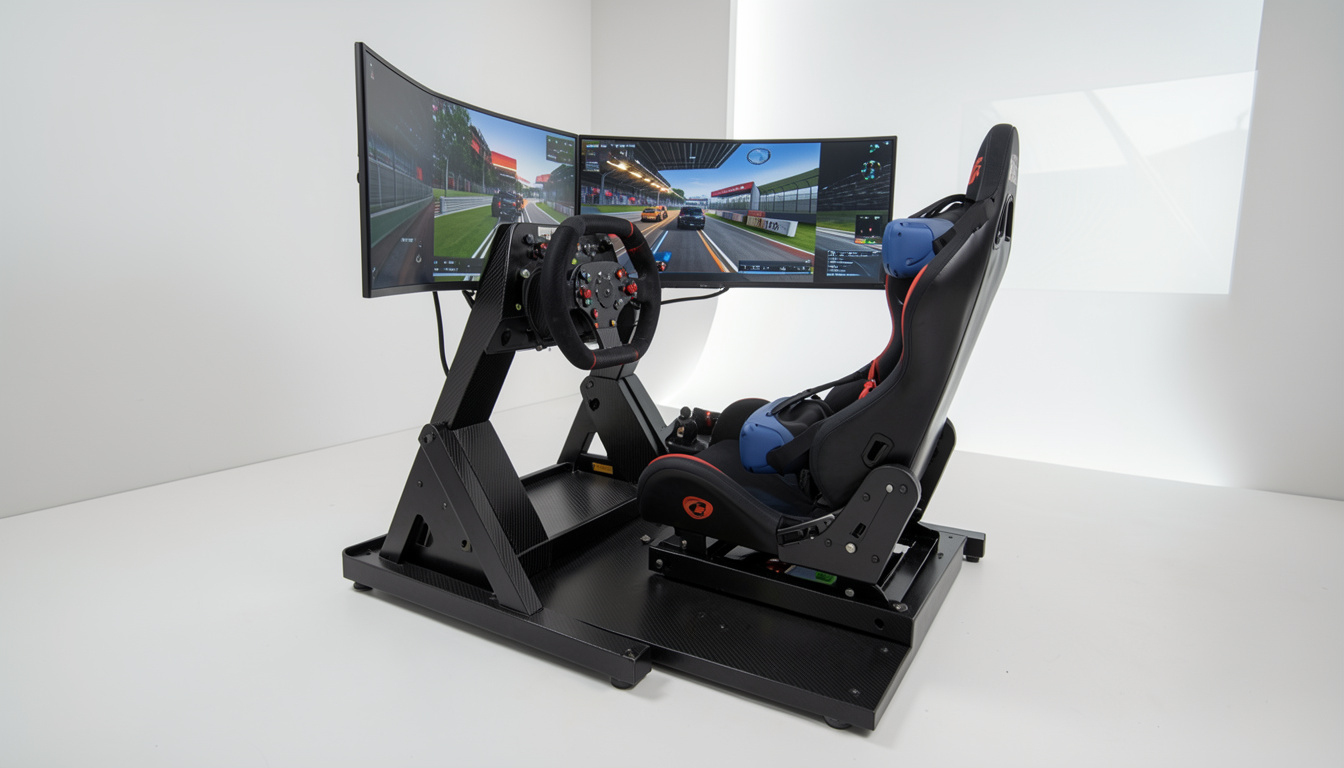
The social aspect of the "Club" in RACECLUB cannot be overlooked. The game is built around a persistent competitive architecture where drivers can join teams, share telemetry data, and compete in scheduled endurance events. It isn't just about the five minutes of a qualifying lap; it’s about the hours of practice and the communal effort to shave tenths of a second off a personal best.
The intersection of AI and simulation physics
One of the most significant hurdles in modern sim racing is the behavior of computer-controlled opponents. Historically, "AI" in racing games meant cars followed a fixed line and rarely reacted to the player's presence in a realistic manner. RACECLUB utilizes sophisticated Artificial intelligence to govern its non-player characters, giving them "personalities" that can lead to mistakes, defensive driving, and tactical aggression.
This use of AI extends to the coaching systems within the game. Instead of a static "racing line" painted on the floor, the simulator analyzes your inputs braking pressure, steering angle, and throttle application and provides feedback through a virtual race engineer. This data-driven approach allows players to understand exactly where they are losing time, turning a frustrating session into a productive training exercise.
Hardware requirements and the future of VR motorsport
To achieve the level of fidelity promised by RACECLUB, the hardware requirements are understandably steep. To maintain the 90 or 120 frames per second necessary to prevent motion sickness in VR, the game utilizes the latest in foveated rendering and upscaling technologies. This is where Tech innovation in the headset space meets the raw power of modern GPUs.
As we look toward the future of the genre, the inclusion of haptic feedback suits and motion platforms is becoming the next frontier. RACECLUB is built with "extensibility" in mind, supporting a wide array of peripherals that allow the player to feel the G-forces of a high-speed corner or the vibration of the rumble strips through their entire body.
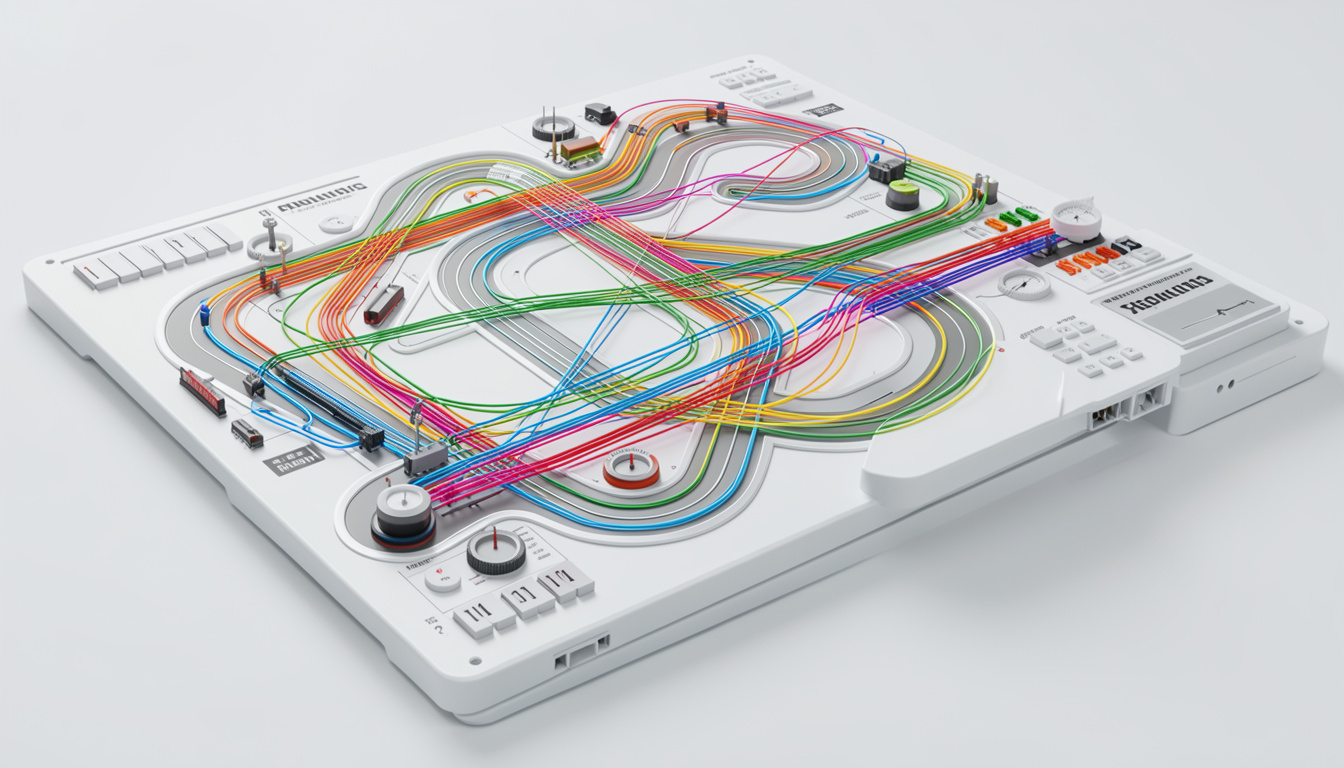
The development team has also signaled a commitment to long-term updates, including "Live Track" technology. This system simulates the evolution of the track surface over the course of a race weekend. As more cars drive over the asphalt, a "racing line" of rubber is laid down, increasing grip in some areas while marbles and debris accumulate in others.
Precision driving in the digital age
The arrival of RACECLUB signals a shift in how we perceive virtual competition. It is no longer enough to simply be fast; one must be consistent, technical, and mentally resilient. The simulator challenges the notion that gaming is a passive activity, demanding the same level of focus and physical coordination as many traditional sports.
As the lines between reality and simulation continue to blur, platforms like RACECLUB serve as a testament to the power of immersive technology. Whether you are a professional driver looking to learn a new circuit or an enthusiast seeking the thrill of the podium from the comfort of your home, the road to the future is clearly paved in pixels and polygons. The engine is running, the grid is set, and the only thing left to do is hit the apex.
Article Topics

About the Author
Marco André
"Full-stack developer and gadget analyst, passionate about simplifying technology for everyone."
View all articles

