


OpenAI has fundamentally shifted the utility of its flagship platform. The recent rollout of native app integrations transforms the assistant from a passive text generator into an active, multi-service orchestrator. Users are no longer restricted to copying and pasting information between applications; the system now executes real-world tasks directly within the chat interface. By deeply integrating services like Uber, DoorDash, and Spotify, the platform is making a clear bid to become the primary digital layer between consumers and their daily logistical needs.
The concept of a unified digital assistant is not new, but previous iterations from tech giants often felt clunky and heavily restricted by rigid voice commands. This deployment relies on fluid, contextual understanding, allowing the machine learning model to parse complex, multi-layered requests and route them to the appropriate external APIs simultaneously.
Bypassing the traditional app screen
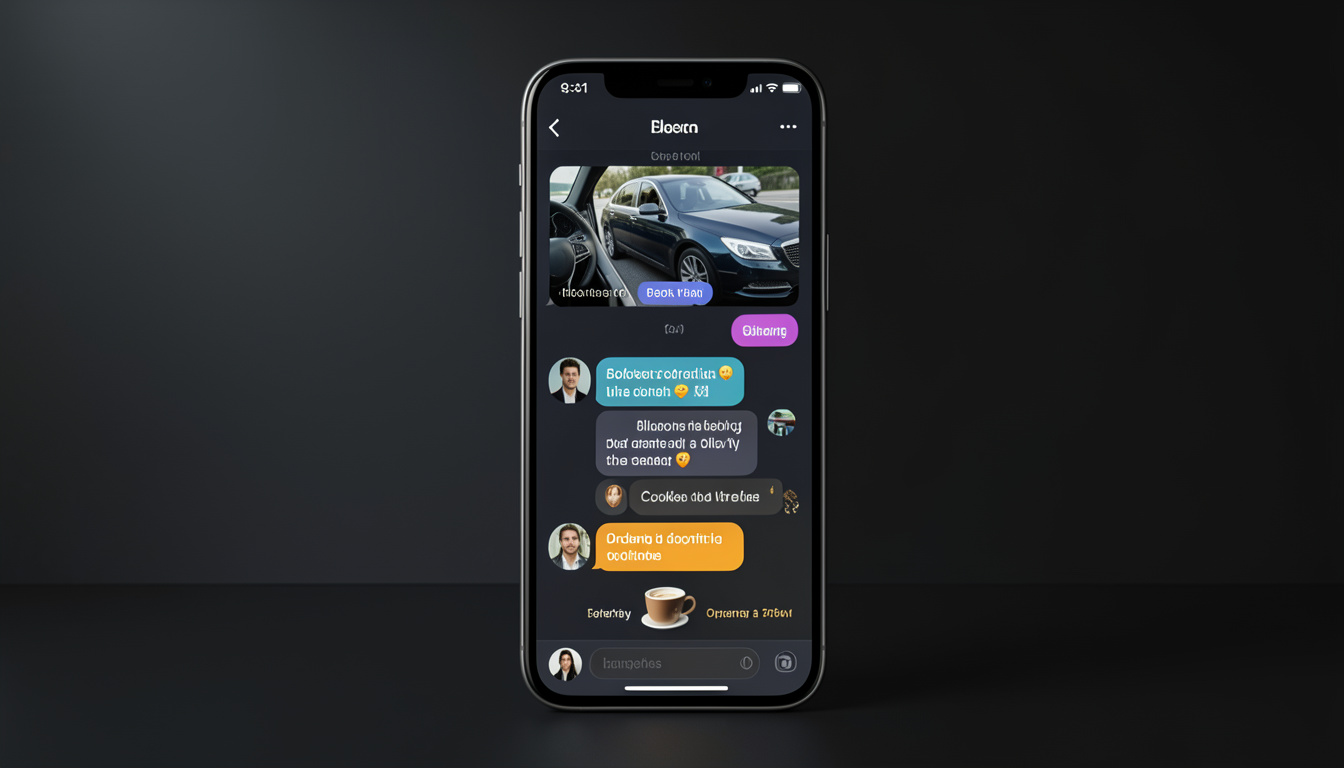
The core mechanical advantage of this update is the elimination of application fatigue. Users connect their third-party accounts via a secure OAuth handshake. Once linked, the AI handles the logistics natively. You can instruct the system that you are hungry for Thai food and need a ride to the airport in two hours. The platform immediately pings the DoorDash API to queue a highly-rated delivery based on your past preferences, while simultaneously scheduling an Uber.
The friction of opening multiple apps, navigating different user interfaces, managing separate shopping carts, and tracking overlapping ETAs is completely bypassed. This is the practical realization of agentic workflows applied to the everyday consumer market. The software tools are no longer isolated islands; they are subservient functions called upon by a centralized reasoning engine.
The music and media ecosystem

The Spotify integration demonstrates a sophisticated understanding of contextual commands. Instead of manually searching for artists or scrolling through playlists, users can ask the system to build an auditory experience based on abstract concepts. You can request the assistant to "play something upbeat for a morning run" or "build a playlist based on obscure 90s alternative rock."
The system analyzes the semantic intent of the prompt, queries the streaming library's vast metadata, and initiates playback directly through the device's audio layer. This shifts media consumption away from manual curation and toward conversational discovery, effectively replacing the traditional search bar with a highly opinionated digital DJ.
Security and frictionless authentication
Executing financial transactions through a conversational interface introduces severe security liabilities. Allowing an autonomous algorithm to spend money requires absolute guardrails. OpenAI has implemented strict permission boundaries to prevent runaway spending.
While the assistant has the autonomy to construct the shopping cart, compare prices, and suggest the optimal route, finalizing any monetary transaction still requires localized biometric confirmation on the user's hardware. This architectural choice maintains high digital productivity while ensuring that agentic systems cannot drain a user's linked bank account without explicit, real-time human consent.
The threat to the mobile operating system
This aggressive expansion signals a direct existential threat to traditional mobile operating systems. If consumers begin spending the majority of their screen time interacting with a single, unified text field that orchestrates all underlying applications, the traditional grid of home screen icons becomes largely irrelevant.
The chat interface is rapidly evolving into the new browser. By intercepting the user's intent before they ever open a dedicated application, OpenAI is commoditizing the underlying services and hoarding the most valuable asset in the modern tech industry: user attention and behavioral data.
Article Topics

About the Author
Elena Santos
"Specialist in digital trends and consumer behavior in the era of total connectivity."
View all articles

