


For the last decade, the technology industry operated on a single, centralized premise: the device in your pocket or on your desk was merely a display. The actual thinking, processing, and heavy lifting happened in massive, distant data centers. We pushed everything to the cloud. However, the sheer volume of data generated by modern applications is breaking that model.
The pendulum is swinging back toward decentralization. Moving computational power away from centralized servers and pushing it directly into the hardware we use daily a concept known as edge computing is the most critical infrastructure pivot happening right now.
Before diving into the mechanics of this transition, here are the core dynamics driving the market:
- Latency is unacceptable: Mission-critical applications cannot afford the milliseconds it takes to send a data packet to a server and wait for a response.
- Bandwidth is finite: Pushing 4K video streams from millions of security cameras to the cloud 24/7 is financially and physically unsustainable.
- Privacy is paramount: Processing sensitive information locally guarantees that personal data never travels across vulnerable internet infrastructure.
The latency bottleneck driving the shift
Relying on a remote server works perfectly for checking emails or streaming a movie. It is entirely insufficient for the next generation of digital productivity.
Consider an autonomous vehicle navigating a busy intersection, or a robotic arm performing precision surgery. If the software tools controlling these machines have to request permission from a server located three hundred miles away, a sudden drop in cellular coverage could result in a catastrophe. The hardware must be capable of making instant, autonomous decisions without an internet connection.
By utilizing edge computing, companies bypass the network entirely. The data is generated, analyzed, and acted upon in the exact same physical location. Pioneers in enterprise cloud infrastructure, such as AWS, are actively releasing hybrid solutions that allow businesses to run stripped-down versions of their server environments directly on factory floors. This tech innovation guarantees zero-latency execution.
Hardware shrinking to fit the edge
Moving artificial intelligence out of the data center requires a radical redesign of consumer electronics. You cannot fit a server rack into a smartphone.
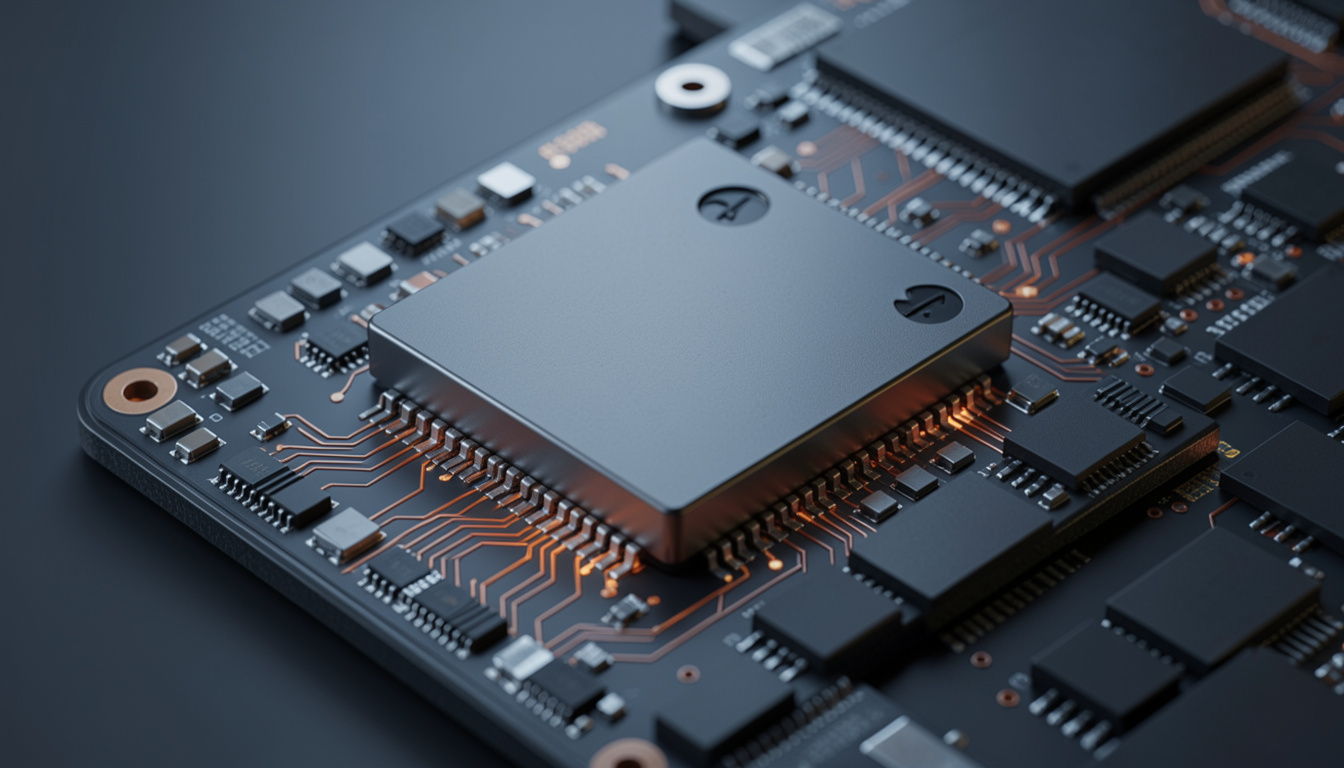
To solve this, silicon manufacturers are embedding dedicated Neural Processing Units (NPUs) into everyday consumer and enterprise devices. These highly specialized chips are designed to do one thing: run machine learning algorithms with extreme battery efficiency.
We are seeing this deployment across the entire hardware spectrum. When you look at the architecture of the latest Qualcomm mobile processors or Apple's M-series silicon, a significant portion of the physical chip is dedicated exclusively to running AI tools locally. This means your laptop can now instantly transcribe an hour-long meeting, isolate background noise, and blur your camera background, all without sending a single byte of audio or video to an external server.
Industry focus: sectors leading the transition
The transition to local processing is not happening uniformly. Certain industries are aggressively adopting this future technology out of absolute necessity.
Healthcare and diagnostics
Hospitals handle the most heavily regulated data on the planet. Uploading thousands of high-resolution MRI scans to a public cloud to run diagnostic software tools poses massive compliance risks. Edge computing allows the diagnostic equipment itself to run the algorithmic analysis. The machine identifies anomalies locally and only presents the final, anonymized report to the attending physician.
Advanced manufacturing
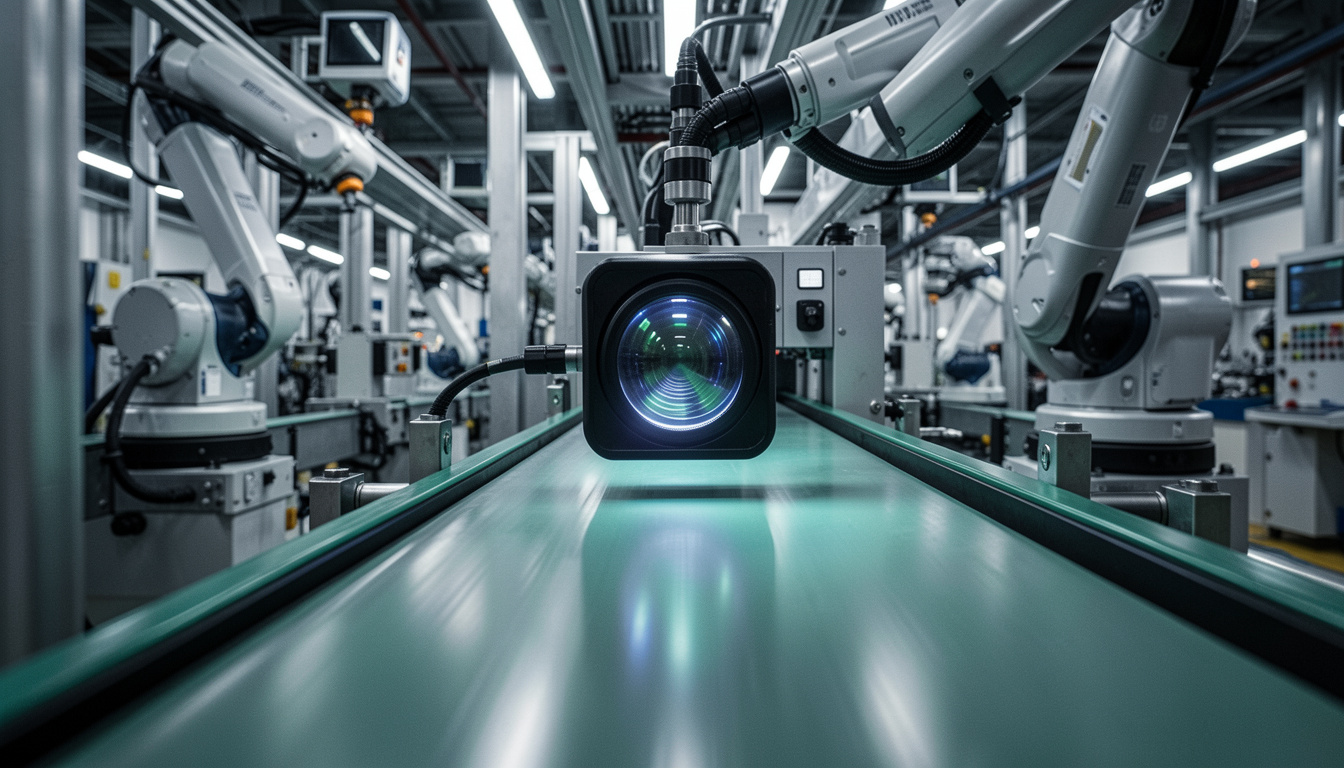
Modern factories generate petabytes of telemetry data daily. Sending all of that raw sensor data to the cloud is a waste of bandwidth. Instead, industrial facilities are deploying edge gateways small, ruggedized computers placed right next to the assembly line. These gateways monitor the vibrations of a drill press in real-time, instantly shutting down the machine if it detects a pattern that precedes a mechanical failure.
The new standard for enterprise privacy
Beyond speed and bandwidth, the ultimate driver of edge computing is data sovereignty. As regulatory frameworks around digital privacy become stricter globally, enterprise companies are terrified of data leaks.
If you use a public language model to summarize a confidential legal brief, you have inherently compromised that document. When the model runs entirely on your local machine, the privacy loop is closed. Enterprise security leaders, backed by infrastructure from companies like IBM, are mandating that all sensitive corporate data must be processed locally.
Final thoughts on the decentralized web
The cloud is not disappearing; it is simply being repositioned. Massive data centers will still be used to train massive models and store historical data. But the execution the moment where artificial intelligence actually interacts with the physical world is moving to the edge.
For developers, IT managers, and business leaders, understanding how to deploy and manage these decentralized software tools is critical. Embracing on-device processing will not only dramatically increase your digital productivity, but it will also ensure your infrastructure is secure, lightning-fast, and entirely under your control.
Article Topics

About the Author
Marco André
"Full-stack developer and gadget analyst, passionate about simplifying technology for everyone."
View all articles

